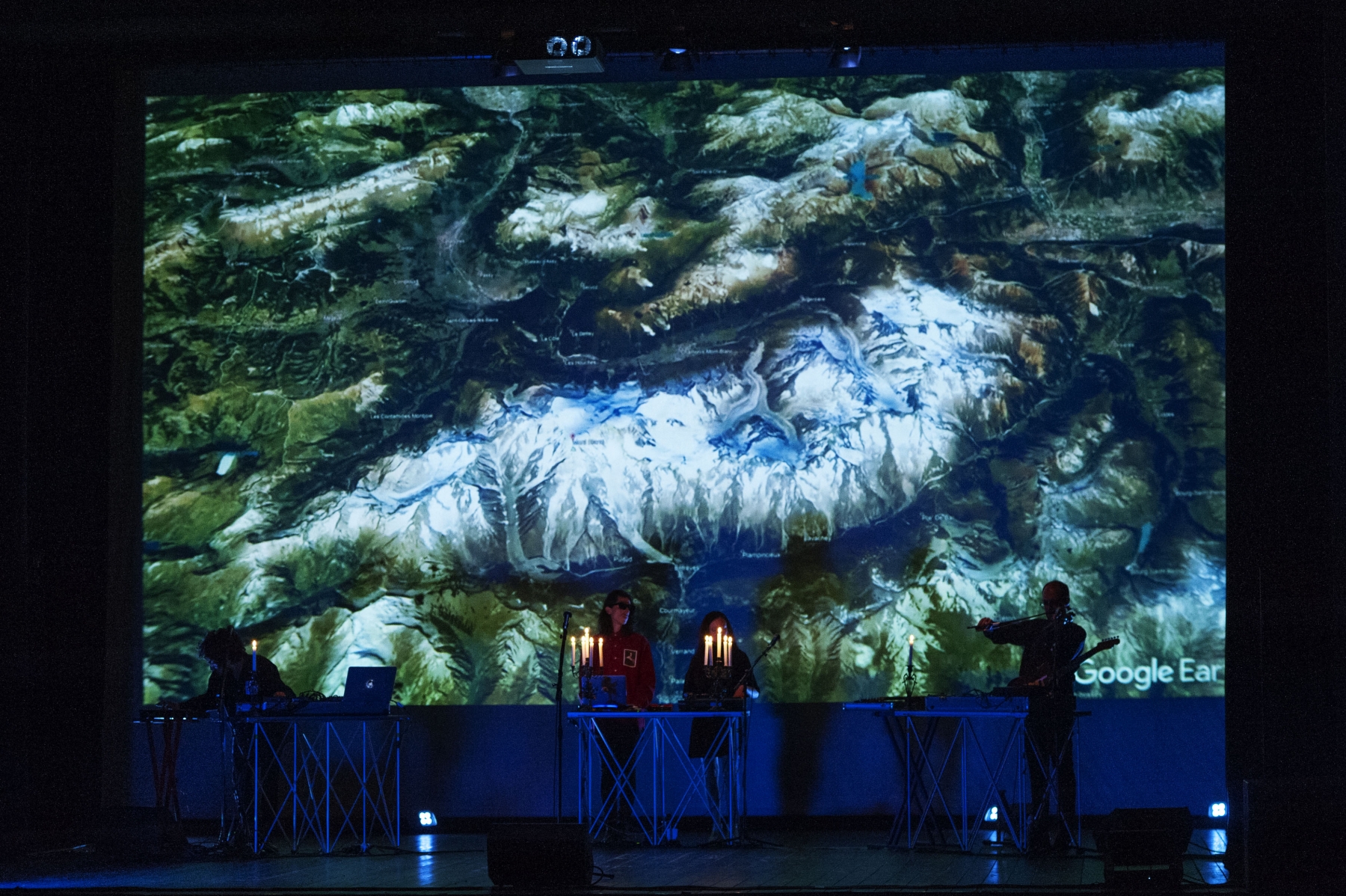
On January 15, 1941, in the Nazi prisoner-of-war camp of Görlitz, Olivier Messiaen conducted the premiere of Quatuor pour la fin du temps, written in the camp latrines, with broken instruments, before an audience of three hundred prisoners and Nazi soldiers.
One of the most monumental compositions of the twentieth century was born in one of the places marking the end of the world, the end of time.
Pour la Fin du Temps begins from that threshold, not to commemorate it, but to inhabit its question.
How can one resist when historical time becomes unbearable?
Messiaen’s “end of time” is a passage in which beauty becomes the only possible form of revolt. In captivity, amid mud and ice, Messiaen discovers a possibility for creation. In the Book of Revelation of Saint John — which inspired his work — he sees not destruction, but salvation: access to another dimension.
A time in which the future arrives within eternity.
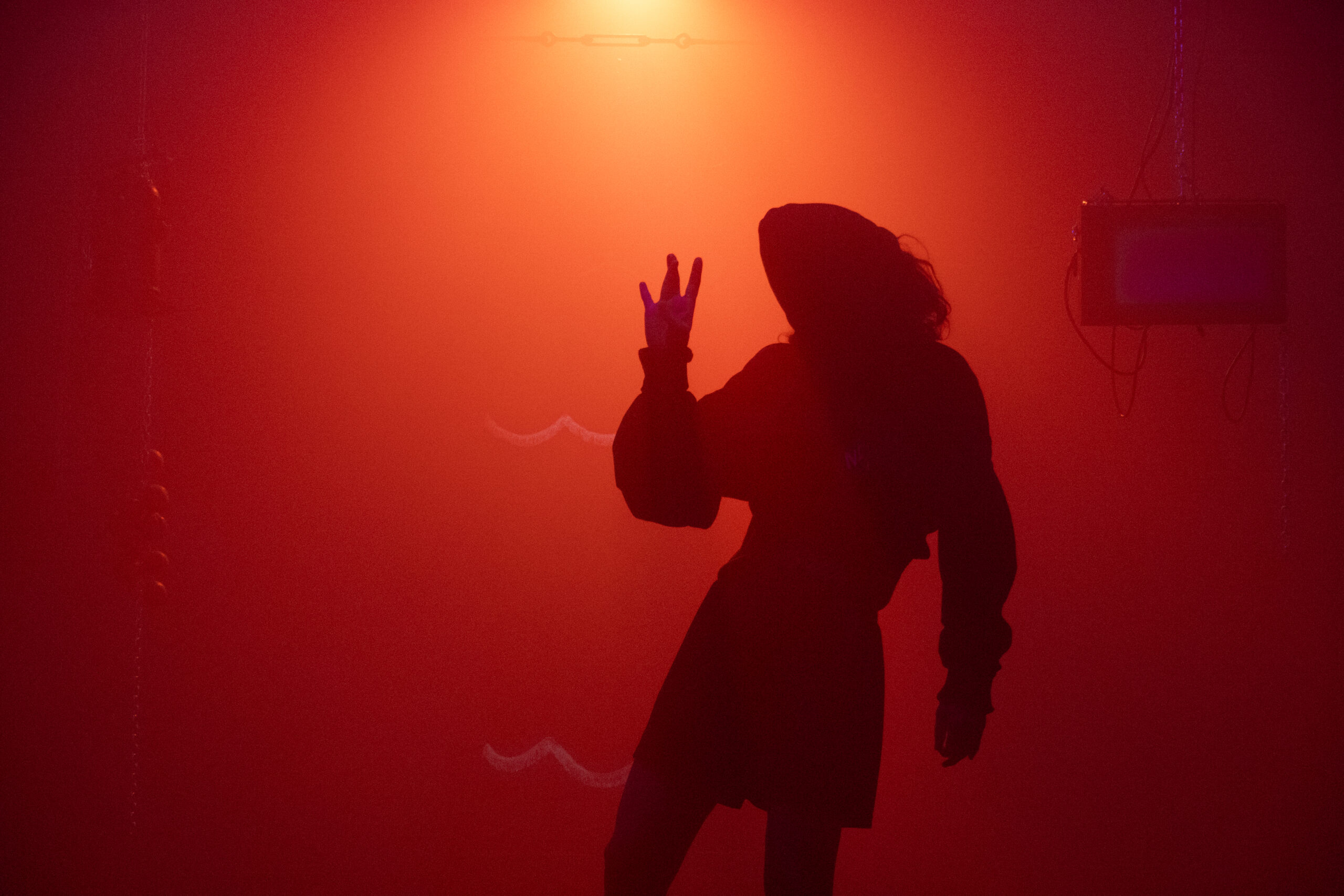
Pour la Fin du Temps is an immersive installation, a contemplative space inviting the audience to pause, to search within themselves for a deeper and more sacred sense of time, suspended between slow frequencies, ethereal silences, and a light that does not yield — like Beauty itself.